An engine block can look perfect and be scrap. Cracks hide below the surface of cast iron, inside cylinder head castings, and along valve seats, invisible to any flashlight. Machine shops have two classic answers to that problem, and they sound like science fiction until someone explains them plainly: magnetic particle inspection, sold under the trade name Magnaflux, and pressure testing, which finds leaks with water or air instead of magnetism. At Buddy's Auto Machine Shop in Bessemer City, this kind of testing is the gate every serious rebuild passes through before money gets spent on machining.
The folklore around crack testing is thick. Some of it undersells the methods, some oversells them, and both errors cost people engines. Sorting the claims is worth a page.
The claims, sorted
| Claim | Verdict | The real story |
|---|---|---|
| Magnaflux is an X-ray for engines | False | It uses a magnetic field and iron particles, not radiation; cracks disturb the field and the particles gather along them |
| If a crack mattered, you could see it | False | The cracks that kill engines are often hairline and subsurface; that is the entire reason testing exists |
| Magnetic testing works on any engine metal | False | It only works on ferromagnetic metals like cast iron and steel; aluminum heads need dye or pressure methods |
| Pressure testing finds every crack too | It depends | Pressure testing finds cracks that open into water jackets or ports; a crack sealed under pressure can hide |
| A passed test guarantees the block forever | False | Testing certifies the part as it sits today; overheating later can crack a part that passed |
| Testing is optional on a budget rebuild | It depends | Skipping it risks machining a bad core; on a cheap teardown engine the gamble is sometimes taken knowingly |
How magnetic particle inspection actually works
The part is magnetized, then coated with fine iron particles, often fluorescent and viewed under ultraviolet light. Where the surface is unbroken, the magnetic field stays uniform and the particles spread evenly. Where a crack interrupts the metal, the field leaks out at the break and the particles line up along it, drawing a bright map of a flaw the eye alone would never catch. Heads and blocks get checked around valve seats, bolt holes, and cylinder walls, the places stress and heat concentrate.
The method is fast, proven, and limited in one specific way: aluminum does not magnetize. Modern aluminum heads get dye penetrant testing instead, where a colored or fluorescent dye seeps into surface cracks and a developer draws it back out into visibility. Different metal, same idea, find the crack before it finds you.
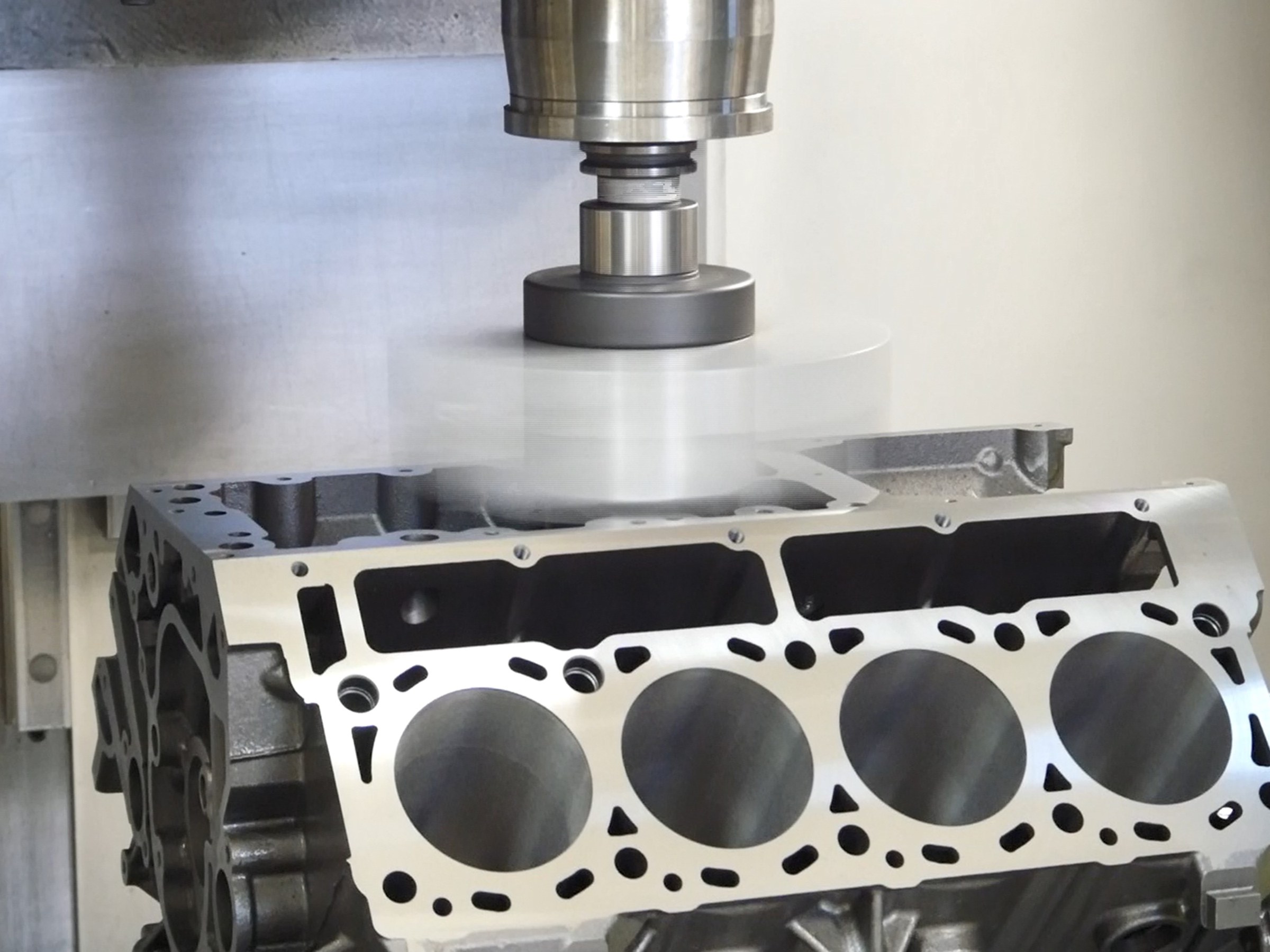
How pressure testing works
Pressure testing seals the water jacket of a head or block, fills it with water or air under pressure, and watches. Bubbles in a water bath, a falling gauge, or weeping at a casting seam all point at a leak path. Some shops use hot water, because a crack that seals cold can open as the metal expands to operating temperature, the same behavior that makes an engine lose coolant only when fully warm.
The two methods answer different questions. Magnetic testing asks whether the metal is cracked anywhere it can reach. Pressure testing asks whether the cooling passages hold. A head can pass one and fail the other, which is why thorough shops use both on parts headed for a rebuild rather than treating either as a full verdict.
Why the order of operations matters
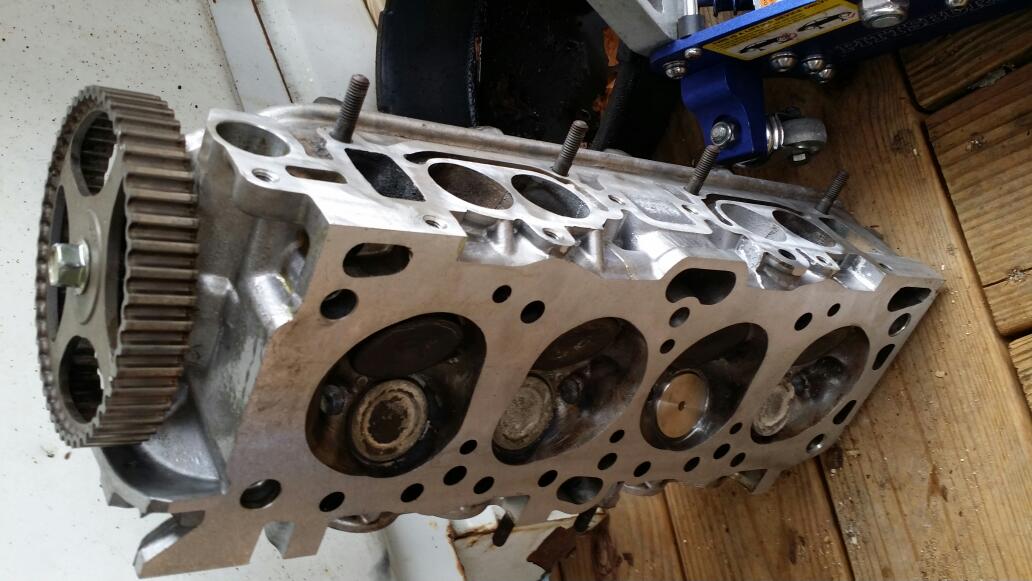
Testing comes first because everything after it costs more. Boring, decking, valve work, and parts all assume the casting is sound. Discovering a cracked block after the machine work is done turns the whole job into an expensive lesson, and it happens mostly to people who skipped a test that takes a fraction of the time. Engine rebuilds and cylinder head service both start with verification at any shop that has seen the alternative.
There is a decision after a failed test, and it is not always scrap. Some cracks can be pinned or welded by specialists, particularly in rare or numbers-matching castings for classics. Common cores with cracks are usually replaced, because a good core costs less than heroic repair. The test does not make that decision. It makes the decision possible with facts instead of hope.
Common questions
Can a crack really be invisible and still ruin an engine?
Yes. Hairline cracks in cast iron can hide below the surface or inside ports, then open under heat and pressure, leaking coolant or compression until the engine fails.
Why can't aluminum heads be Magnaflux tested?
Magnetic particle inspection needs a metal that can be magnetized. Aluminum cannot, so shops use dye penetrant or pressure testing on aluminum parts instead.
If my head passes both tests, is it guaranteed good?
The tests certify the part as it is now, and passing both is strong evidence. They cannot promise against future damage from overheating or abuse later.
Photos in this guide are representative stock images.
← All guides from Buddy's Auto Machine Shop← Back to Buddy's Auto Machine Shop