Working on a classic engine is a translation problem. The engine predates the software, the scan tools, and sometimes the parts catalogs. A carbureted inline six from the sixties or a flathead older than the shop's oldest manual asks a machine shop in Bessemer City to solve problems with measurement and ingenuity rather than part numbers. The good news is that machining fundamentals have not changed: metal still cuts, bores still measure, and worn parts can often be adapted, sleeved, or made rather than found.
Timing matters more with classics than with daily drivers, because the driving itself is seasonal. Piedmont owners aim their cars at spring tours, summer cruise-ins, and fall shows, and machine work scheduled against that calendar lands very differently than work started in a panic in May.
The obsolete-parts problem, and the usual fixes
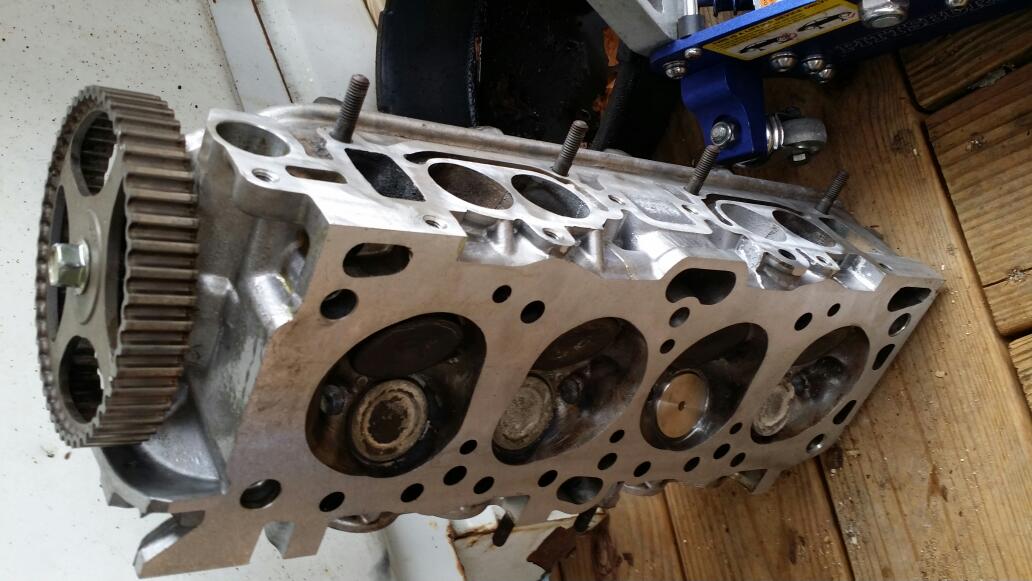
Pistons for an oddball bore, valves for an engine orphaned by a defunct brand, bearings in sizes nobody stocks: the catalog ends quickly on old iron. The machine shop's answers are standard ones. Cylinders can be sleeved back to a common bore that pistons exist for. Valve seats can be cut for modern hardened inserts, which also solves the unleaded-fuel problem that wears original seats in pre-seventies heads. Worn guides can be knurled, lined, or replaced. Crankshafts can be ground to an undersize that bearings are made in, or welded and reground when no bearing exists at all.
None of this is improvisation. It is the older, deeper version of the trade, when machinists expected to adapt. What it does require is a thorough measurement session up front, so the plan is based on the engine's actual dimensions and condition rather than its published specifications, which fifty years of wear have edited.
A seasonal plan for classic machine work
Winter is the machine shop's gift to classic owners. Cars are parked, shops are less rushed than in spring, and a teardown in November has room to absorb the surprises old engines always contain: the cracked casting, the bore already at its last oversize, the part that must be sourced from a specialist across the country. A build found to need sleeving in December is a delay. The same discovery in April is a missed season.
Classic engine project checklist
- Pull the engine in fall or winter and get it measured before ordering anything
- Have castings crack-tested early, since repair or replacement drives the whole timeline
- Decide on hardened valve seats if the heads predate unleaded fuel
- Confirm piston and bearing availability for your bore and journal sizes before machining to them
- Plan cooling upgrades honestly: old radiators and modern traffic are a poor match in July
- Keep a written record of every dimension and deviation for the next person who opens the engine
- Schedule reassembly and break-in to land before spring events, not during them
Modern fixes that respect old engines
The line a good shop walks is between preservation and reliability. Electronic ignition hidden in a stock-looking distributor, modern ring materials, and improved rear main seals all make classics more usable without changing their character. Machine work itself is invisible when done: a sleeved block is still the car's original block, which matters on vehicles where originality carries the value. At Buddy's Auto Machine Shop, race engine builds and classic work share the same benches and the same premise, that the engine in front of you gets measured and machined on its own terms.
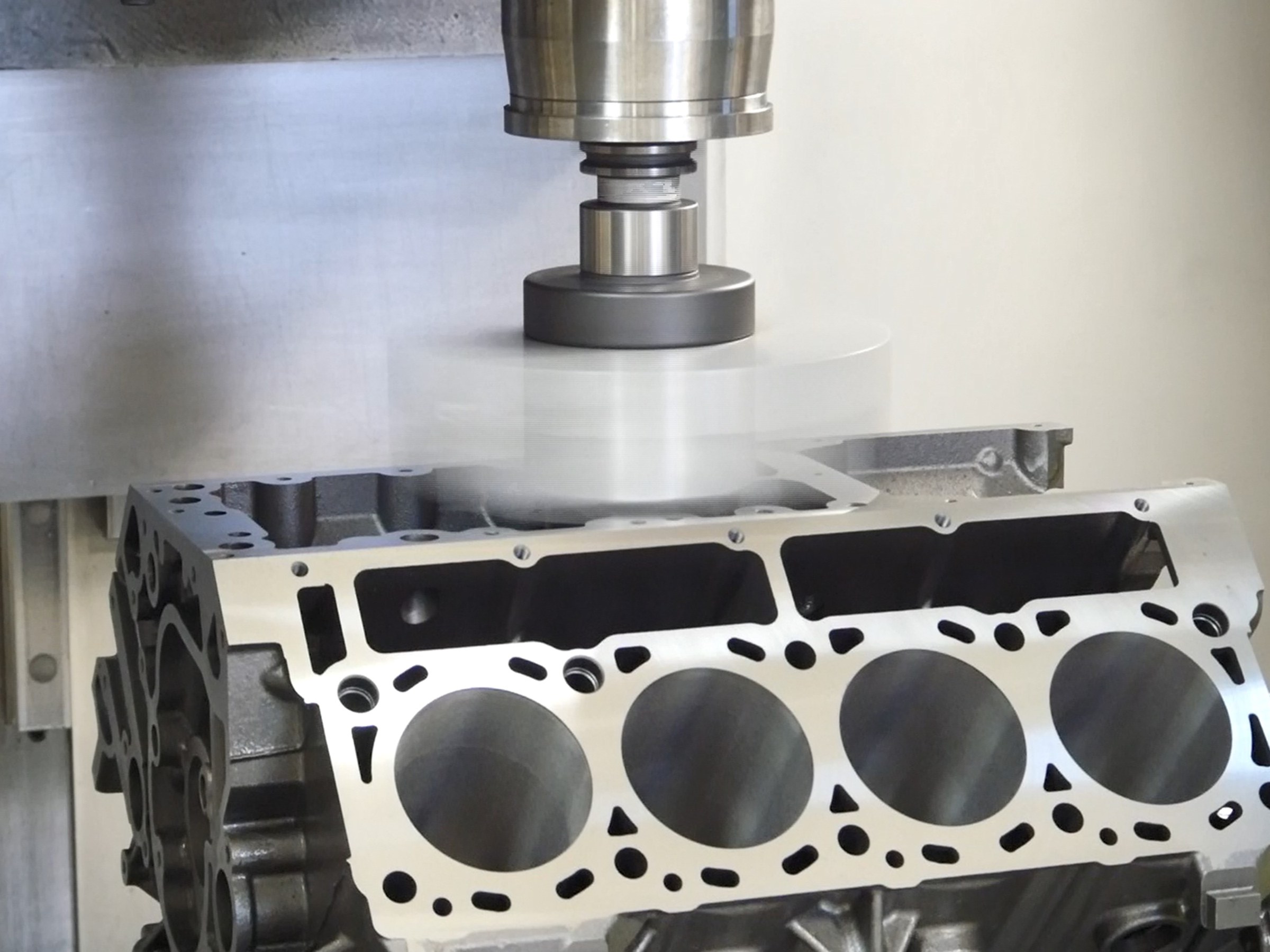
Photograph everything during teardown, and keep the take-off parts until the engine is proven. Old engines get opened so rarely that the record you make during this build may be the only documentation the car ever gets, and a labeled box of original fasteners and fittings has rescued more than one project when a reproduction part turned out to be almost right.
Summer, when it comes, is for driving the result. A classic that spent winter on the stand with its problems found and fixed is the one that makes the fall tour without a trailer following it. The calendar is not a formality with old engines. It is most of the strategy.
Common questions
Can parts still be found for a fifty-year-old engine?
Often yes, and where originals are gone, machining offers routes: sleeves to common bores, seat inserts, and bearings in available undersizes. A measurement session settles what is possible.
Do classic heads need work to run modern gasoline?
Heads from before unleaded fuel became standard often benefit from hardened exhaust seat inserts, since the old seats relied on lead for protection and wear faster without it.
When should I start machine work for spring driving?
Fall or early winter. Teardown discoveries on old engines take time to solve, and a winter start leaves room that a spring start does not.
Photos in this guide are representative stock images.
← All guides from Buddy's Auto Machine Shop← Back to Buddy's Auto Machine Shop