Every rebuilt engine starts with a trade. You bring a worn engine, or buy a rebuilt one outright, and somewhere in the paperwork sits a core charge: a deposit on the old engine itself. The core system confuses people because it feels like being charged for your own property. It is actually the recycling loop that makes rebuilding possible, and understanding it helps Bessemer City drivers choose sensibly among rebuilding their engine, buying a rebuilt exchange unit, or hunting a used motor.
A core is simply the old, rebuildable unit. Machine shops and rebuilders want it back because a sound block and head are the raw material of the next rebuild. The charge is refunded when a usable core comes back, and reduced or kept when the returned engine is damaged beyond rebuilding, for instance with a thrown rod through the block or a cracked casting that fails testing.
Why shops want your old engine
New bare blocks and heads for many engines are not made anymore, and for older engines they never were plentiful. The supply of rebuildable engines is exactly the supply of engines people take out. A core charge is how the system keeps that material flowing back instead of into scrap yards, where a perfectly rebuildable block becomes a paperweight. It also explains the inspection a returned core gets: the shop checks that it is the same type of engine, complete, and rebuildable, the three things that make it worth the refund.
Cracked or windowed blocks, missing heads, and cores that were already rebuilt past their limits are the usual deduction cases. None of this is arbitrary when it is explained up front, which is the part worth insisting on before any job starts.
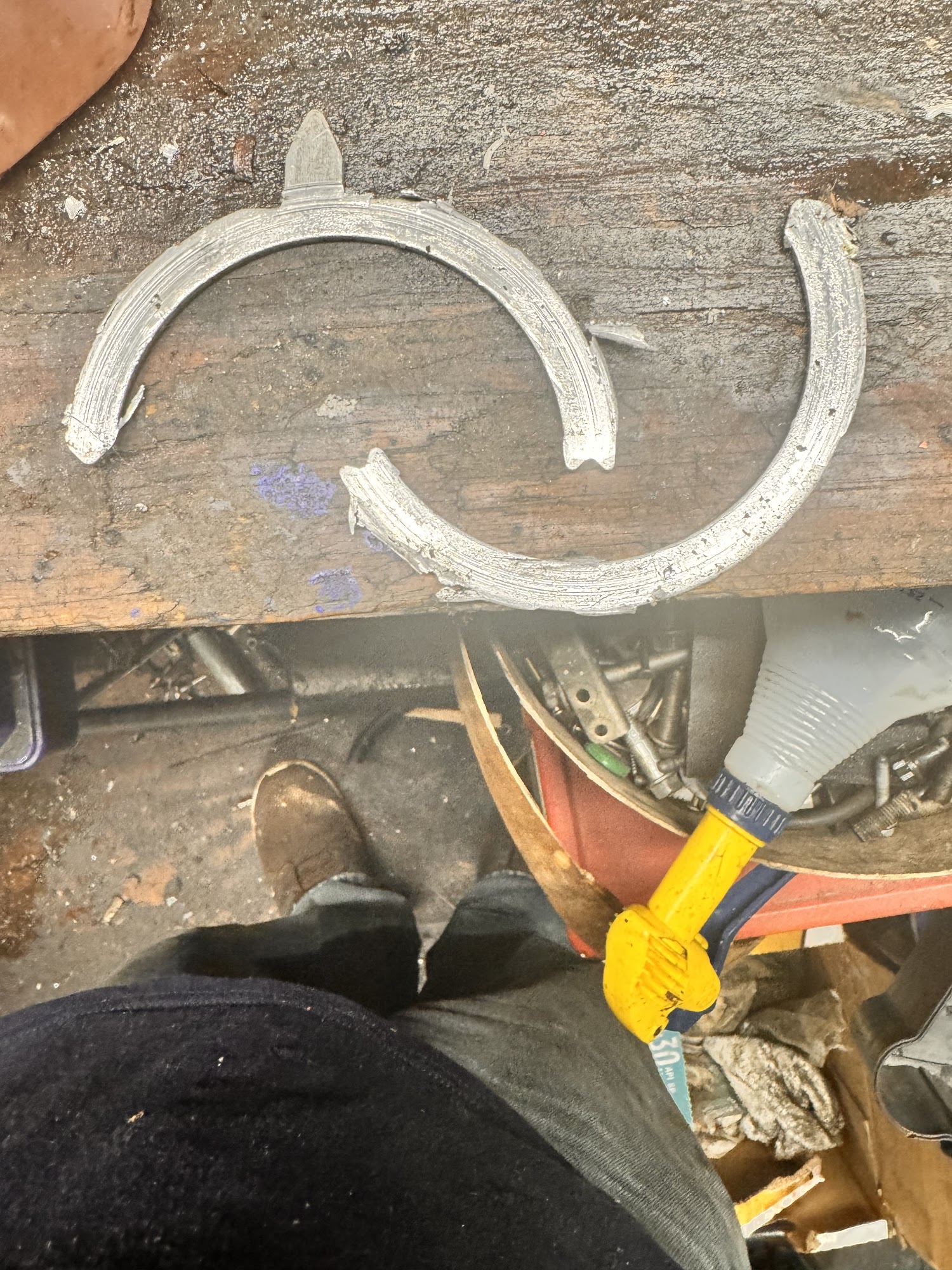
The real options, by situation
| Your situation | Sensible route | Why |
|---|---|---|
| Your engine failed but the block and heads are sound | Rebuild your own engine | You keep your known core, no exchange gamble, and numbers stay original on vehicles where that matters |
| Engine threw a rod or cracked the block | Exchange rebuilt unit, expect core issues | Your core has little rebuild value; an exchange gets you running without hunting a good core |
| Classic or numbers-matching car | Rebuild your own, whatever it takes | Originality is the value; cores and exchange units cannot replace the engine the car was born with |
| Tight timeline, daily driver down | Exchange unit off the shelf | Fastest path back on the road; your old engine becomes someone else's rebuild |
| Good engine, wrong project | Sell or trade the core knowingly | A rebuildable core has real value in the system; do not scrap what shops are looking for |
Questions that prevent core surprises
Ask what condition the returned core must be in for a full refund, and get it in plain language before the job. Ask whether the core must be the identical engine or whether a same-family unit counts. Ask how long you have to return it, since a core sitting in your garage for a year is a deposit quietly expiring in practical terms. And photograph your engine before it leaves, so its condition is a record rather than an argument.
At shops like Buddy's Auto Machine Shop, where engine rebuilds are the core business in both senses, these conversations are routine. The system is not a trick. It is how a region keeps its engines rebuildable, one returned block at a time, and a customer who understands it never feels ambushed by the line item.
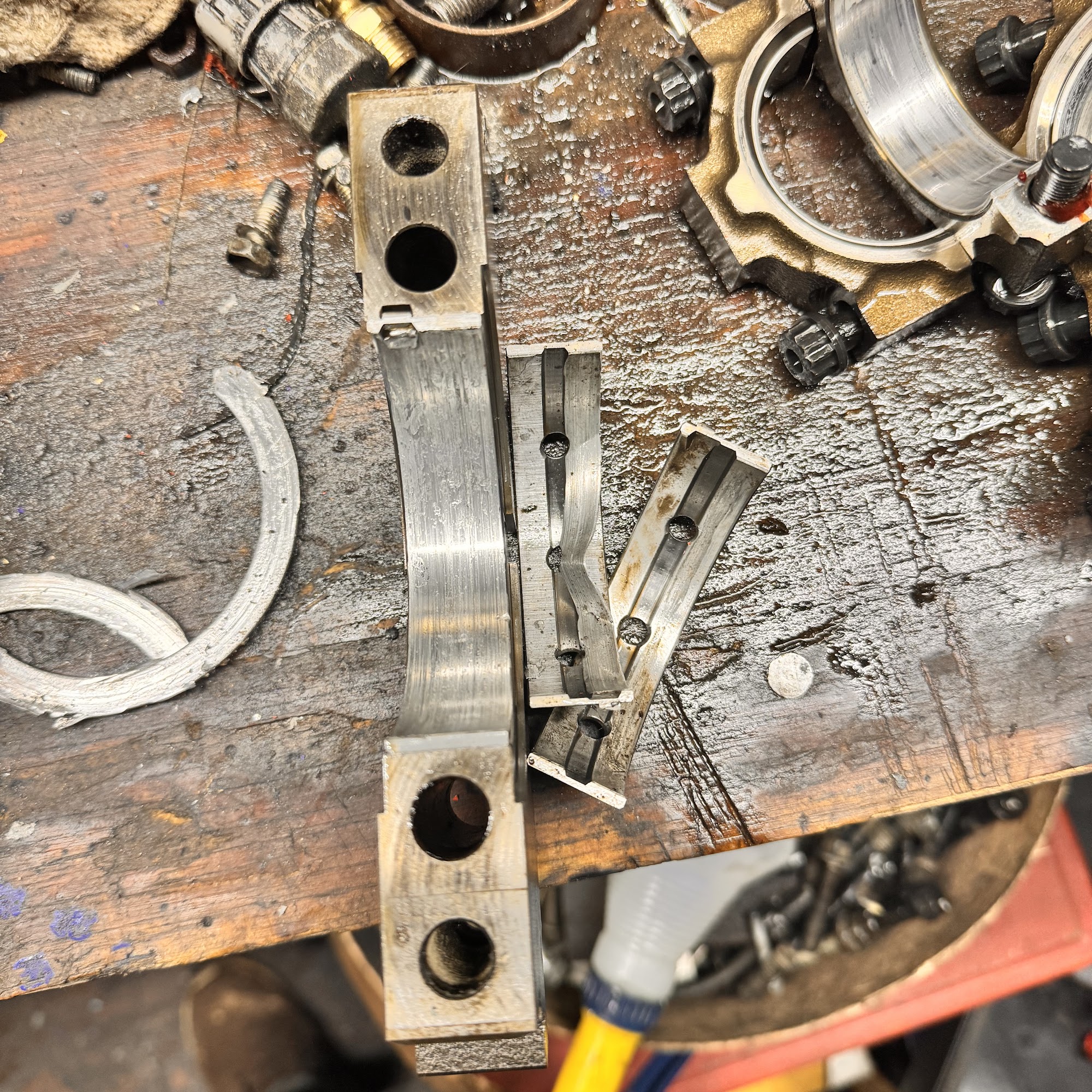
The used-engine alternative, honestly weighed
A used engine from a salvage yard skips the core system and the machining alike, and sometimes that is the right call for an older vehicle near the end of its life. The trade is certainty: a rebuilt engine's internals were measured, tested, and renewed, while a used engine's internals are a story you cannot read. Mileage claims aside, you are buying the previous owner's maintenance habits. For a car you plan to keep, the rebuild usually wins on everything except the calendar. For a car you plan to sell, the math can honestly flip, and a good shop will say so.
Common questions
What exactly is a core charge?
It is a refundable deposit on your old engine. When you return a complete, rebuildable core, the charge comes back; damaged or incomplete cores are refunded in part or not at all.
Why would my core not qualify for a full refund?
Common reasons are a cracked block or head, a hole from a thrown rod, missing major parts, or an engine that is not the type the exchange requires.
Can I keep my old engine and skip the core system?
Usually yes, by paying the core charge outright. Most people return the core, since a worn engine's value to them is far below its value to a rebuilder.
← All guides from Buddy's Auto Machine Shop← Back to Buddy's Auto Machine Shop