A rebuilt engine is not finished when the last bolt is torqued. The first 500 miles are a controlled wearing-in, during which piston rings seat against freshly honed cylinder walls, bearing surfaces settle, and any assembly issue announces itself while it is still small. Drivers in Bessemer City who treat break-in as a schedule rather than a suggestion are the ones whose rebuilds go on to long, quiet lives. The calendar below is the standard shape of that schedule, in general guidance used across the trade.
Two ideas explain everything on it. Rings need varied cylinder pressure to seat, which means varied engine speed and load, not a steady highway drone. And the first oil in a fresh engine becomes a soup of microscopic wear metal quickly, which is why early oil changes are not upselling but housekeeping.
The first 500 miles, staged
| Stage | What to do | Why |
|---|---|---|
| First start to 50 miles | Verify oil pressure, watch temperature, check for leaks; short trips, varied speed | Seats rings under changing load and catches assembly issues while they are cheap |
| 50 to 250 miles | Drive normally but gently; vary rpm, avoid full throttle and towing | Continued ring seating without the heat and stress that can glaze cylinder walls |
| Around 250 to 500 miles | First oil and filter change on the shop's schedule | Removes break-in wear metal circulating in the first fill |
| At 500 miles | Recheck fluids, listen, inspect for seepage; a shop look-over is common | Confirms the engine has settled; marks the end of formal break-in for most builds |
| 500 to 1,000 miles | Gradually use the full range; avoid sustained redline and heavy loads still | Final seating and confidence building before the engine is treated as fully proven |
Why variety beats the highway
The instinct to take a fresh engine on a long, gentle highway trip is understandable and wrong. Steady rpm holds ring pressure steady, and rings seat best when pressure rises and falls, pushing them out against the wall on acceleration and letting them relax on deceleration. Country roads around Gaston County, with their curves, stops, and rolling grades, are nearly ideal break-in territory. Cruise control is the one feature to leave off for a while.
Idling is the other false friend. A fresh engine left idling for long stretches runs cool, loads its rings lightly, and can glaze the cylinder walls, a polished finish that prevents seating and leads to oil consumption that never quite resolves. Warm it up briefly, then drive it.
Oil during break-in
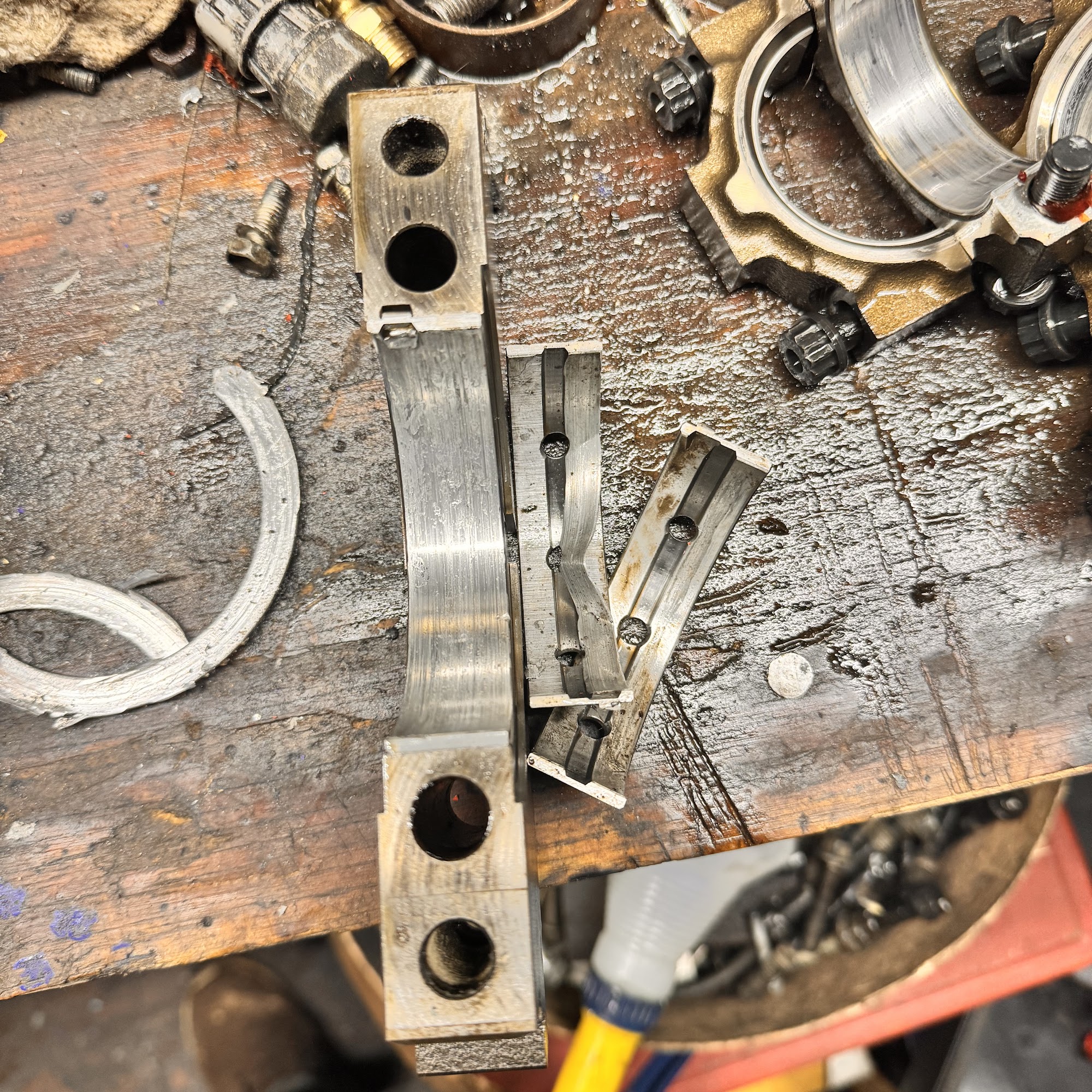
Break-in oil is chosen by the builder, and the right move is to use what the shop specifies rather than improvising. Some builders use a dedicated break-in oil with additives that protect flat-tappet cams and promote ring seating; others use conventional oil for the first fill precisely because full synthetic can be too slick for rings to seat promptly on some builds. This is builder's-choice territory, and the warranty, where one exists, usually assumes their instructions were followed. Keep receipts and notes; a break-in log is a small thing that settles big questions later.
What deserves a phone call during break-in
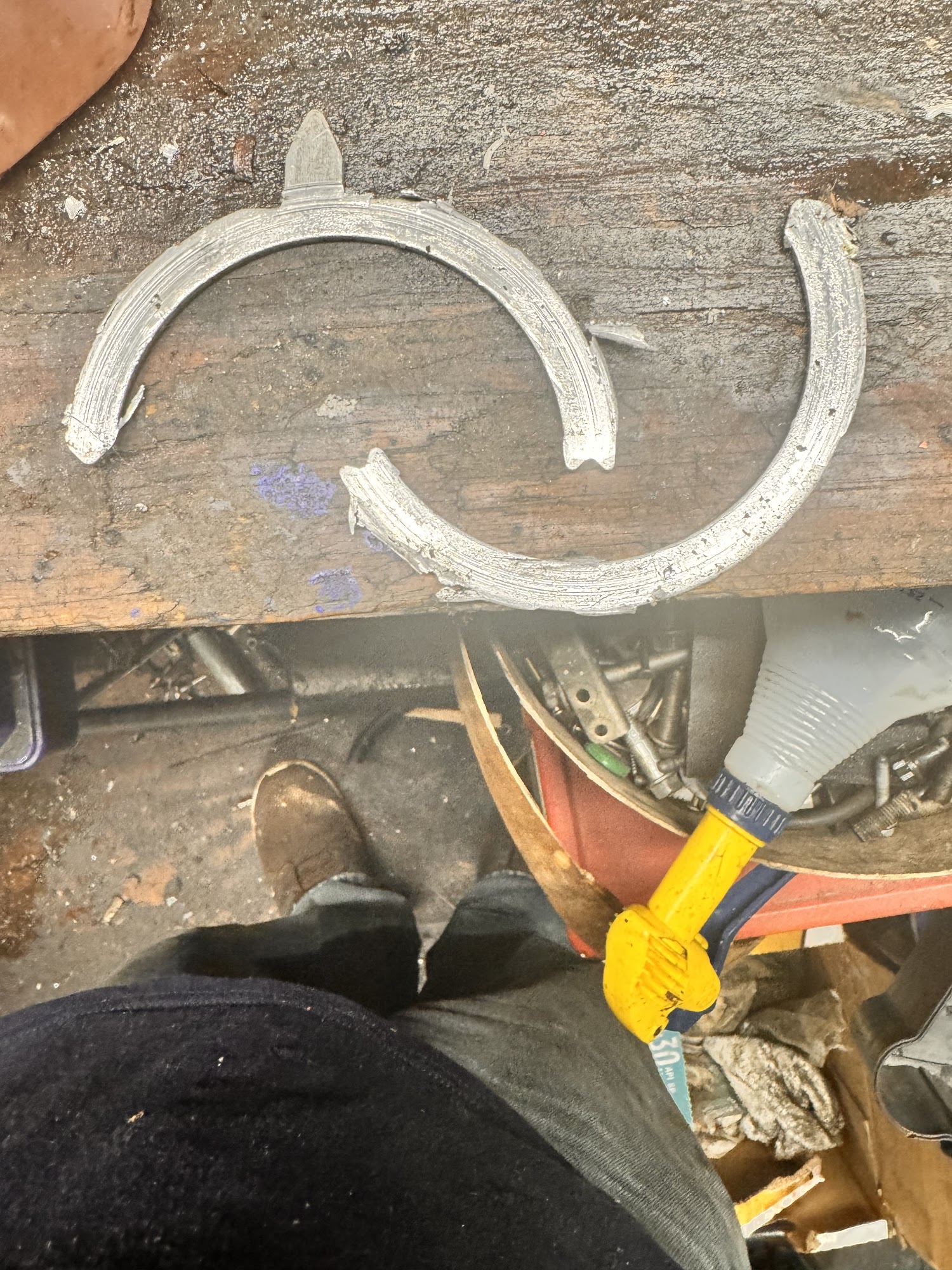
Most fresh engines are uneventful. Call the shop if oil pressure drops or flickers, if temperature climbs beyond its normal mark, if a new knock or tick appears, or if oil consumption is dramatic rather than slight. A small amount of oil use in the first miles can be normal as rings seat; a quart vanishing quickly is information, not a quirk. At Buddy's Auto Machine Shop, engine rebuilds are the house specialty, and a builder would rather hear about a small worry at 200 miles than a big one at 2,000.
After the 500-mile mark, the engine graduates. Oil changes settle into their normal rhythm, the rpm range opens up, and the rebuild stops being a project and becomes the car's new normal, which is the entire point of the patience that came before. Keep the log, keep the receipts, and drive it like you plan to keep it, because you do.
Common questions
Can I take a highway trip during break-in?
Short highway stretches are fine, but avoid long steady-speed droning and cruise control. Rings seat under varied load, so mixed driving does the job better.
Why change the oil so early on a rebuild?
The first fill collects microscopic wear metal as rings and bearings seat. Changing it early removes that material instead of circulating it through your fresh engine.
Is some oil consumption normal at first?
A small amount can be, while rings finish seating. Heavy or worsening consumption is not, and it is worth a call to the builder promptly.
← All guides from Buddy's Auto Machine Shop← Back to Buddy's Auto Machine Shop