Boring, honing, decking: the vocabulary of block work sounds like a woodshop, and the ideas are close cousins. Each term is a specific cut, made for a specific reason, in a specific order, and a rebuild stands or falls on measurements taken before any of them. Drivers in Bessemer City who learn the words can follow a machine shop's plan for their engine and, more importantly, understand what skipping steps costs. Machine work skipped at the block stage does not disappear. It reappears as oil consumption, low compression, and gaskets that will not stay sealed.
Everything starts with measurement. Bore diameter and taper, deck height and flatness, main bearing alignment: the numbers decide which cuts happen, and in what size. A block that measures within limits may need only a hone. A block worn past them needs the full sequence.
The three cuts, defined plainly
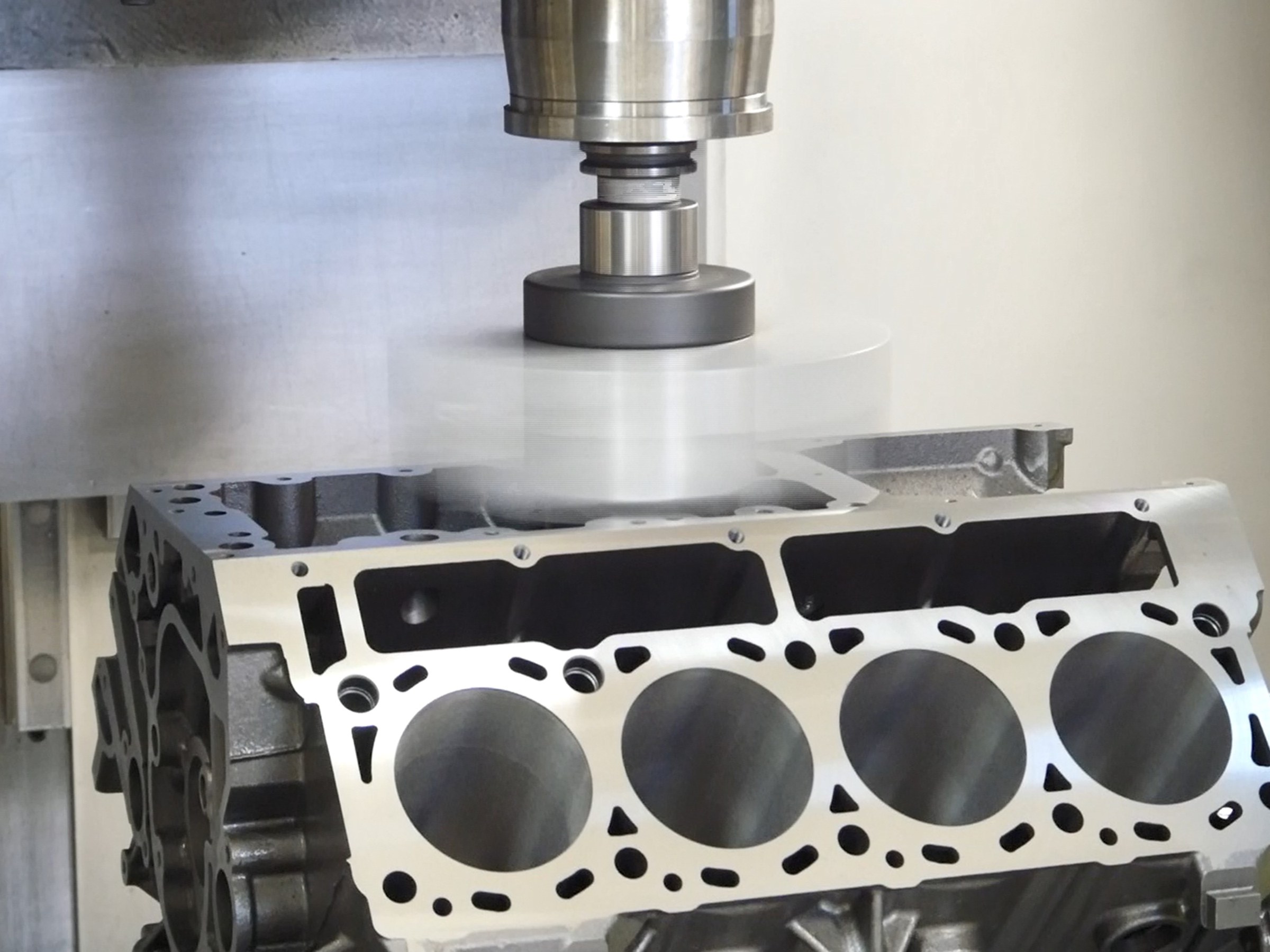
Boring enlarges the cylinders to a new, round, straight size, removing wear, taper, and damage, and it is done in steps toward a standard oversize that pistons are made in. Honing follows boring: a finishing process that gives the cylinder walls their final size and a crosshatch texture, fine angled scratches that hold oil so the rings can seat and seal. A bored-but-unhoned cylinder is an unfinished surface, and rings know it immediately.
Decking cuts the block's top surface, the deck, flat and true, so the head gasket seals evenly and cylinder heights come out consistent. Main bearing housings get their own check, and if the crankshaft's tunnel is distorted, a line hone restores it. Each operation is small in itself; together they are the difference between an assembled engine and a correct one.
What skipping each step costs
Skip the bore on a tapered cylinder and the rings ride a wall that changes diameter top to bottom, sealing in one place and leaking in another. Compression drops, blow-by rises, oil gets contaminated faster, and the engine feels tired from its first day back. Skip the hone and fresh rings skate on a surface that cannot hold oil, seating poorly or not at all; oil consumption becomes the engine's permanent habit rather than a break-in phase.
Skip the decking and the head gasket inherits every warp the block carried. Combustion pressure finds the low spots, coolant finds the gaps, and the classic comeback is a rebuilt engine that overheats or mixes oil and coolant within its first season. None of these failures announce themselves at the machine shop counter. They arrive later, wearing the disguise of bad luck, which is what makes cutting the steps such expensive savings.
Why measurement is the real product
Two blocks of the same engine can need different work, because wear follows use, not model years. A high-mileage block may be at its last safe oversize; a low-mileage one may clean up at the first. The shop's bore gauges, micrometers, and straightedges are what turn that difference into a plan, and a customer should expect to hear the actual numbers: how much taper, what the bores measure now, what size they will finish at, and whether the block has another rebuild in it after this one.
At Buddy's Auto Machine Shop, engine machining and rebuilds run on that measurement-first habit, and piston and rod installation follows the sizing the measurements dictated. Parts are ordered to fit the block as it is, not as the catalog imagines it.
The vocabulary is worth keeping for any rebuild conversation. When a quote seems to be missing a step, ask about it by name. Boring, honing, decking: a shop that does all three when the measurements call for them is selling you an engine. A quote that quietly omits one is selling you most of an engine.
Common questions
What is the difference between boring and honing?
Boring cuts the cylinder to a new, larger, straight size. Honing is the finishing step that sets the final dimension and leaves the crosshatch texture rings need to seat and seal.
Does every rebuild need all three operations?
No. Measurement decides. A block within limits may need only honing and a deck check, while a worn block needs the full sequence. Skipping a needed step is the problem, not skipping an unneeded one.
What does decking the block actually fix?
It restores the top surface to flat and true so the head gasket seals evenly across all cylinders, preventing compression and coolant leaks that follow a warped deck.
Photos in this guide are representative stock images.
← All guides from Buddy's Auto Machine Shop← Back to Buddy's Auto Machine Shop